
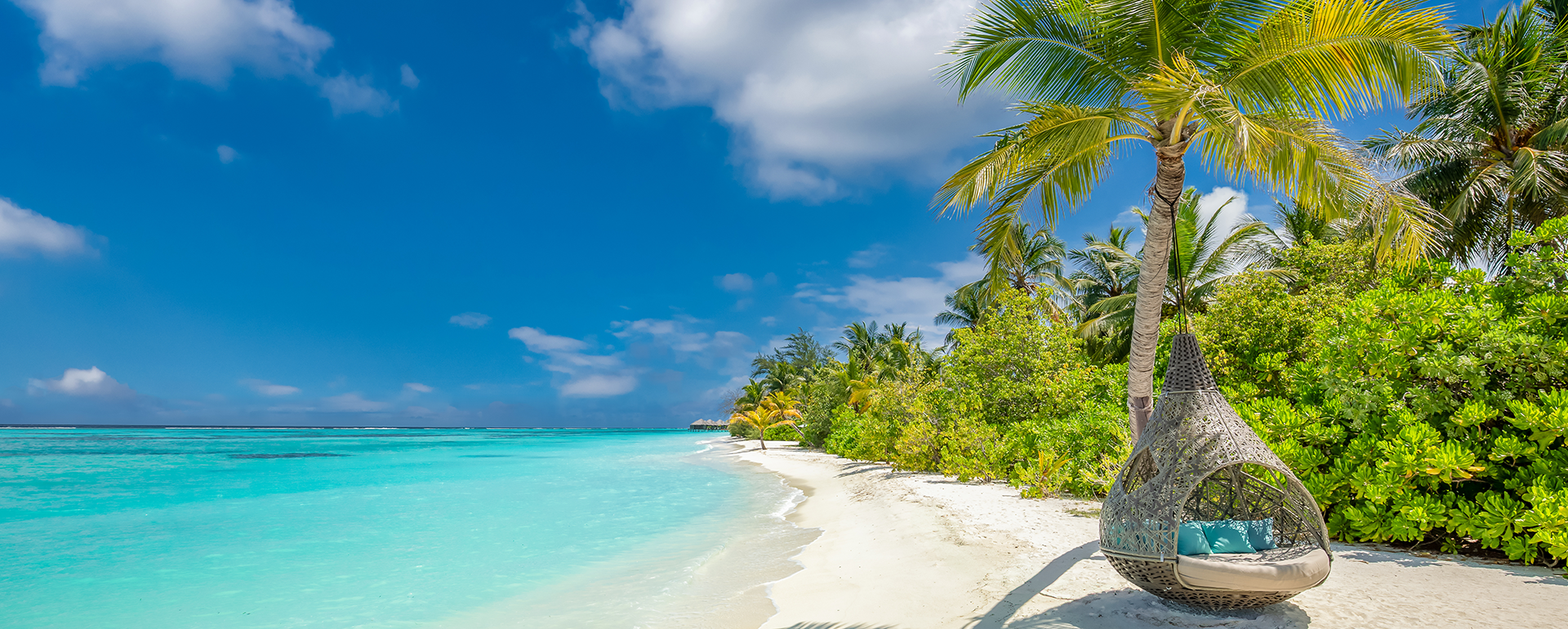
Exploring the untamed beauty of Dominica
Deep within the Lesser Antilles arc lies an island defined by rugged volcanic peaks and lush rainforests. Unlike neighbors known for white sands, this destination prioritizes preservation, offering a haven for biodiversity and immersion in a pristine, living ecosystem.
Caribbean nature Island
The foundations of a volcanic ecosystem
Geological activity shapes every aspect of the landscape, creating a dynamic environment where heat rises from the earth. Hikers traverse the Waitukubuli National Trail, witnessing boiling lakes and sulfur vents that testify to the island’s raw power. Preservation laws strictly protect these zones to maintain their primeval state.

01
Dense tropical rainforests
Morne Trois Pitons National Park protects ancient trees and endemic parrots.

02
Geothermal phenomena
Boiling Lake reveals intense subterranean heat through constantly churning waters.

03
Freshwater river systems
Hundreds of rivers cascade down steep slopes, feeding diverse freshwater habitats and creating distinct waterfalls.
Aquatic adventures
Marine biodiversity and coastal exploration
Beyond the shoreline, the underwater topography drops into deep abysses, creating ideal conditions for resident cetaceans. The lack of mass tourism preserves coral reefs, allowing sponges and crinoids to flourish on submerged volcanic craters and pinnacles. Conservation efforts ensure that marine reserves remain vibrant sanctuaries for diverse species.

World-class scuba diving
Champagne Reef offers a unique experience where geothermal bubbles rise through the water, mimicking a glass of sparkling wine amidst colorful sponges.

Resident sperm whales
Deep coastal waters provide a year-round habitat for sperm whale pods, making this one of the few locations for consistent sightings.

Canyoning and waterfalls
Rappelling down the Emerald Pool involves navigating through mossy gorges and jumping into crystal-clear basins fed by mountain springs.
Sustainable lodging in the canopy
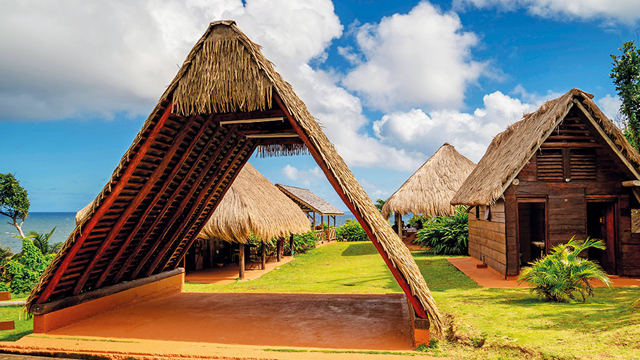
Architecture here respects the natural topography, with structures often elevated to minimize ground impact. Solar energy powers remote lodges tucked into the jungle, while rainwater harvesting systems ensure resource autonomy. Visitors stay in open-air bungalows that utilize natural ventilation rather than air conditioning, fostering a direct connection with the surrounding forest.
Cultural heritage
Preserving the Kalinago and Creole legacy

Cultural preservation efforts
Creole language usage

Historical site visits
Traditional craft markets
Indigenous community tours
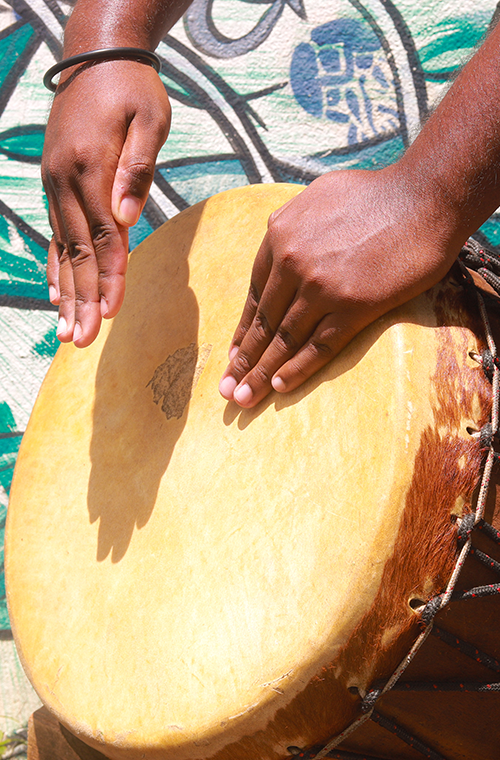
Annual World Creole Music festival
Distinctive drumming rhythms echo through the valleys during celebrations.
Carnival street parades
Costumes feature vibrant colors and satirical themes reflecting social commentary and folklore history.
Maecenas ultricies
Condimentum lacinia quis vel eros donec
Lorem ipsum dolor sit amet consectetur adipiscing elit. Quisque faucibus ex sapien vitae pellentesque sem placerat. In id cursus mi pretium tellus duis convallis. Tempus leo eu aenean sed diam urna tempor. Pulvinar vivamus fringilla lacus nec metus bibendum egestas. Iaculis massa nisl malesuada lacinia integer nunc posuere.
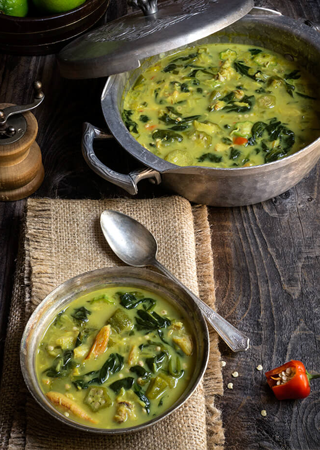
Callaloo Soup
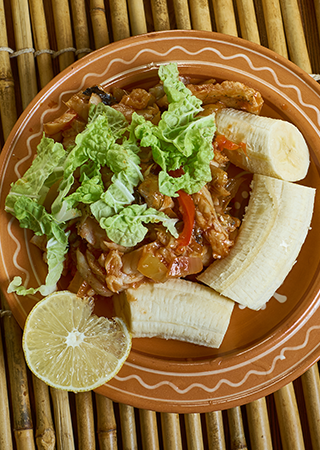
Green fig and saltfish
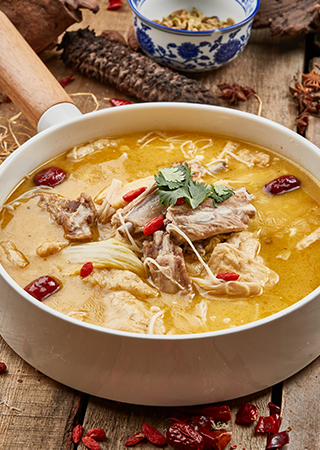
Mountain Chicken (Crapaud)
Volcanic & mountainous
A central spine of high, steep mountains runs north-to-south, with peaks like Morne Diablotin (1,447m) and Morne Trois Pitons.
Rivers & waterfalls
An extensive river system with many unnavigable rivers and waterfalls, including the Layou River in the central plain.
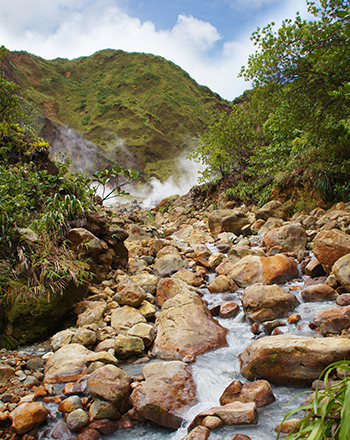
Island geography
Navigating the rugged Island terrain
Traveling across the island requires navigating winding roads that hug the coastline and climb steep mountain passes. The geography dictates the pace of life, with many interior villages accessible only by narrow routes. This limited accessibility has protected the landscape from large-scale development, ensuring that the rivers remain clean and the forests distinct. Weather patterns vary significantly between the coast and the high peaks, influencing vegetation zones.